
How to Start a Restaurant Business in Dubai: Step-by-Step Guide
Opening a restaurant in Dubai involves more than obtaining a trade licence. Your concept, menu, premises, kitchen layout, food-safety requirements, fit-out and business licence need to work together from the beginning. This guide explains the practical sequence and the decisions to make before committing heavily to a site or fit-out.
To start a restaurant business in Dubai, define the concept and menu, select the correct business activity and legal structure, check the proposed premises, complete business licensing and food-establishment approvals, obtain approved design and fit-out requirements, complete inspections and then finish the operational steps needed before opening. The exact route depends on the restaurant concept and location.
What You Need Before You Apply
A restaurant application becomes much easier when the commercial idea has already been translated into practical operational requirements. Before focusing on forms and fees, define exactly what the establishment will do.
The menu is particularly important. A coffee bar serving prepared pastries has different kitchen, equipment, ventilation and workflow requirements from a charcoal-grill restaurant, bakery, cloud kitchen or large full-service dining venue.
Define the cuisine, service format, customer experience and whether food will be cooked, reheated, assembled or produced on site.
Know the approximate size, location and technical requirements before committing to a long commercial lease.
Plan seating, production, storage, washing, deliveries, staff areas, waste handling and customer flow.
Your early planning should therefore cover the proposed menu, cooking methods, equipment, seating capacity, delivery model, operating hours and the type of premises you expect to occupy.
Restaurant, cafeteria or another food activity?
Do not choose the licence activity purely from the name you want on the storefront. The preparation methods, menu and way the business operates can affect which activity and food-establishment requirements apply.
Mainland or Free Zone: Which Route Fits a Restaurant?
For a conventional restaurant serving customers from physical premises in Dubai, the jurisdiction cannot be chosen in isolation from the restaurant location. A mainland restaurant is normally structured around Dubai mainland licensing and the physical establishment, while a restaurant inside a free zone follows the licensing and premises rules of that zone.
Dubai mainland businesses are licensed through the Dubai Department of Economy and Tourism for standard mainland business licensing. Many activities permit full foreign ownership, although the selected activity and any applicable restrictions should still be confirmed before the company structure is finalised.
Dubai Mainland
Commonly relevant for restaurants that need a customer-facing physical location within the Dubai mainland market.
- Premises are central to the licensing project.
- Food-establishment requirements must be coordinated with the site.
- Many activities can allow 100% foreign ownership.
- External approvals depend on the actual restaurant concept.
Free Zone
Relevant where the food business will genuinely operate from premises inside a suitable free-zone jurisdiction under that authority's rules.
- Licence and premises rules vary by free zone.
- The zone must support the intended restaurant activity.
- Do not assume an off-zone restaurant is automatically covered.
- Check local-market operating requirements before committing.
For most founders, the better question is therefore not simply “Which jurisdiction is cheapest?” It is “Which structure legally supports the exact premises and restaurant operation I intend to run?”
If you are still comparing routes, read First Elite Global's mainland vs free-zone restaurant guide .
The Step-by-Step Restaurant Setup Process
The exact order can change according to the location, concept and authority requirements, but a well-planned Dubai restaurant project usually follows the sequence below.
-
Define the restaurant concept and menu
Document what will be prepared and sold, how food will be produced, the equipment required, the service model and whether the business will offer dine-in, takeaway, delivery or a combination.
-
Select the business activity and legal structure
Match the commercial activity to the way the restaurant will genuinely operate. The legal form and ownership structure should also be confirmed before the main application progresses.
-
Screen potential premises
Review whether the site is suitable for the planned food activity before making an irreversible lease commitment. Utilities, extraction, drainage, waste access, storage, permitted use and building restrictions can all affect feasibility.
-
Reserve the trade name and complete initial licensing steps
For a Dubai mainland setup, the business proceeds through the relevant DET licensing route, including trade-name and initial application requirements.
-
Finalise the premises documentation
Complete the required tenancy documentation and Ejari where applicable, while making sure the property and landlord arrangements are compatible with the intended restaurant use.
-
Prepare the restaurant design and kitchen layout
Develop the drawings needed for the restaurant, kitchen, storage, washing, preparation and other operational areas. The design should reflect the real menu and equipment plan.
-
Complete food-establishment and other required approvals
Coordinate Dubai Municipality food-establishment requirements and any other approvals triggered by the premises, fit-out, equipment, safety requirements or restaurant concept.
-
Carry out the approved fit-out
Build according to approved drawings and technical requirements. Avoid ordering major irreversible works before the relevant approvals are in place.
-
Complete inspections and operational requirements
The establishment may need inspections and final compliance steps before operations begin. Staff, food safety, suppliers and other operating requirements also need to be ready.
-
Prepare for launch
Once the licensing and establishment requirements are complete, finalise staff onboarding, suppliers, inventory, operating procedures, delivery arrangements, POS systems and launch marketing.
Planning a restaurant and not sure whether the site works?
First Elite Global's restaurant licensing service focuses on the concept, premises, licence and approval route together rather than treating the trade licence as a standalone application.
View Restaurant Licence SupportWhy the Premises Matter as Much as the Licence
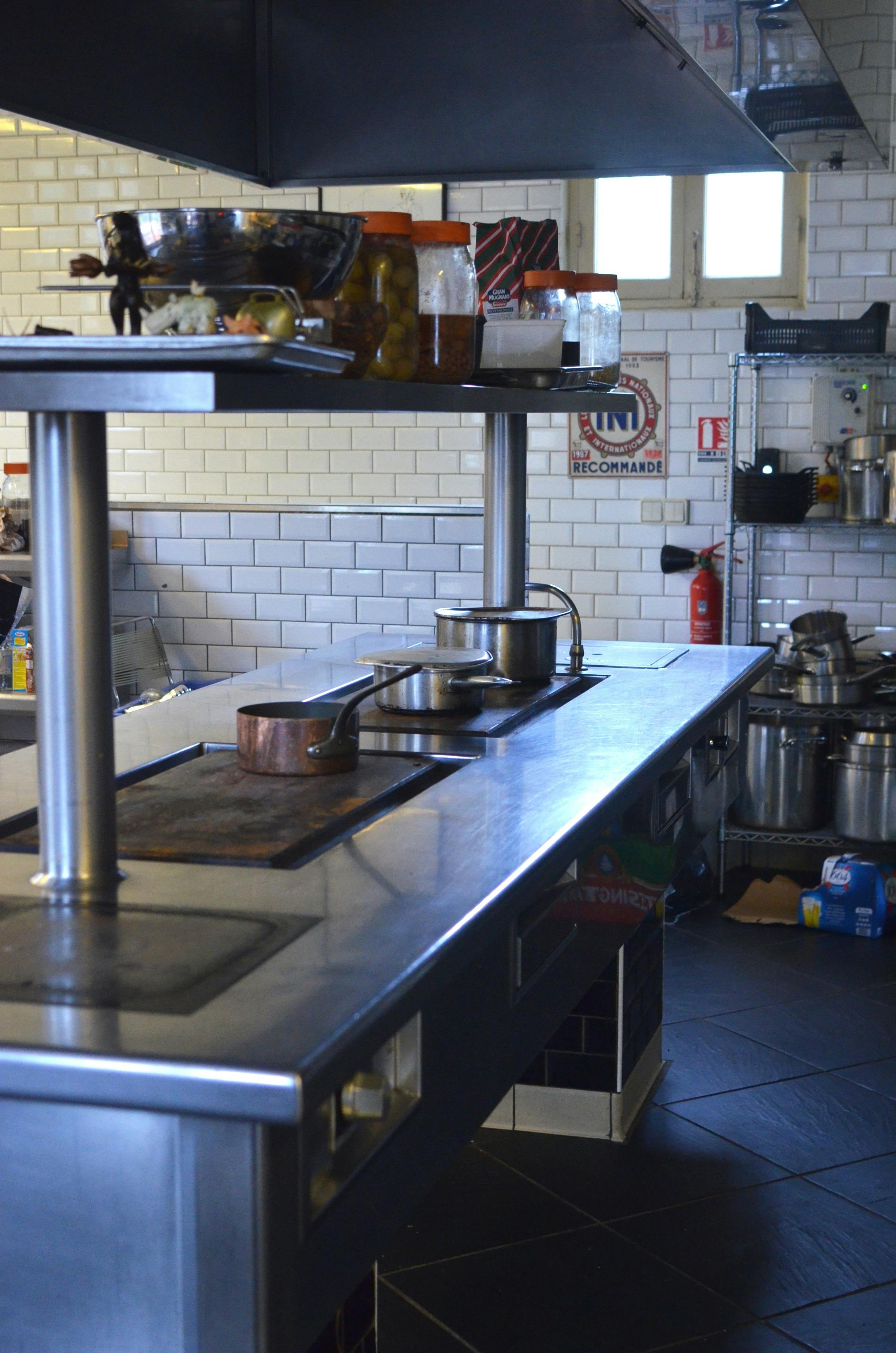
One of the most expensive restaurant mistakes is choosing a location because the rent, frontage or footfall looks attractive and only later discovering that the unit does not comfortably support the planned food operation.
A restaurant premises review should consider more than floor area. Depending on the concept, relevant technical questions can include:
- Is the proposed restaurant use acceptable for the unit and building?
- Where can kitchen extraction and fresh-air systems be routed?
- Are the power and utility provisions suitable for the planned equipment?
- What drainage and grease-management arrangements are possible?
- Is there enough food, dry, chilled and frozen storage?
- Can clean and dirty workflows be separated appropriately?
- Is there suitable access for deliveries and waste removal?
- Does the seating plan leave enough room for operational circulation?
- Are there building-management or landlord restrictions on cooking methods?
- Will gas, charcoal or specialist cooking equipment trigger further requirements?
Do not let the lease get ahead of the approvals
Where possible, have the concept and technical feasibility reviewed before becoming irreversibly committed to a long lease or major fit-out expenditure. A restaurant location can be commercially attractive and still be technically unsuitable for the intended menu.
Documents and Information to Prepare
There is no single document checklist that applies identically to every restaurant. Requirements can change according to the legal structure, shareholders, premises, activity and external approvals. Preparing the core information below, however, makes the project easier to coordinate.
Company and shareholder information
- Passport or identification documents for the relevant shareholders and manager.
- Residence or visa information where applicable.
- Proposed trade names.
- Ownership and management structure.
- Corporate shareholder documents where a company will hold shares.
Restaurant concept information
- Restaurant concept summary.
- Proposed menu.
- Cooking and preparation methods.
- Equipment list.
- Dine-in, takeaway and delivery model.
- Indicative seating and staffing requirements.
Premises and design information
- Tenancy and site documents where required.
- Ejari documentation where applicable.
- Site and fit-out information.
- Restaurant and kitchen layout drawings.
- Utility, ventilation and other technical information where required.
Approval and operational information
- Food-establishment documentation requested for the specific activity.
- Relevant authority approvals connected with the site or fit-out.
- Additional permit information where the concept includes regulated features.
Is a business plan always required?
A useful restaurant business plan is strongly recommended for your own commercial planning and financing decisions, but do not assume that a detailed investor-style business plan is a universal licensing requirement in every case. Confirm the actual application checklist for your structure and activity.
Dubai Municipality and Food-Safety Requirements
Restaurants are food establishments, so the licensing project involves more than commercial company registration. Dubai Municipality maintains food-establishment requirements, food-safety guidance and services for food-related permits and approvals.
A particularly important part of the process is the assessment of the restaurant design layout. The kitchen, preparation zones, storage, washing areas and movement of food and staff need to match the actual operation rather than being treated as decorative interior design.
Why the menu affects the layout
The equipment and food workflow required for raw meat, baking, frying, charcoal grilling, chilled food, beverages or simple assembly are not identical. The more complex the production process, the more important it becomes to design the space around the menu before construction begins.
Food safety continues after opening
Approval of the premises is not the end of restaurant compliance. Food businesses also need to maintain appropriate operating, hygiene, training and food-safety practices after launch.
Restaurant owners should therefore treat regulatory compliance as an ongoing operating responsibility rather than a one-time licence hurdle.
Practical planning rule
If changing the menu would materially change the equipment, cooking method, kitchen workflow or activity, check whether the proposed change affects existing approvals before implementing it.
Additional Permits Your Concept May Trigger
Not every restaurant needs the same supplementary permits. Additional requirements depend on what the business intends to do and where the premises are located.
Outdoor Seating
Restaurants and cafés planning tables, chairs or other customer seating outside the internal premises may need to meet separate requirements for the external seating area. The available space, building frontage and applicable planning rules should be considered before that area is included in the commercial plan.
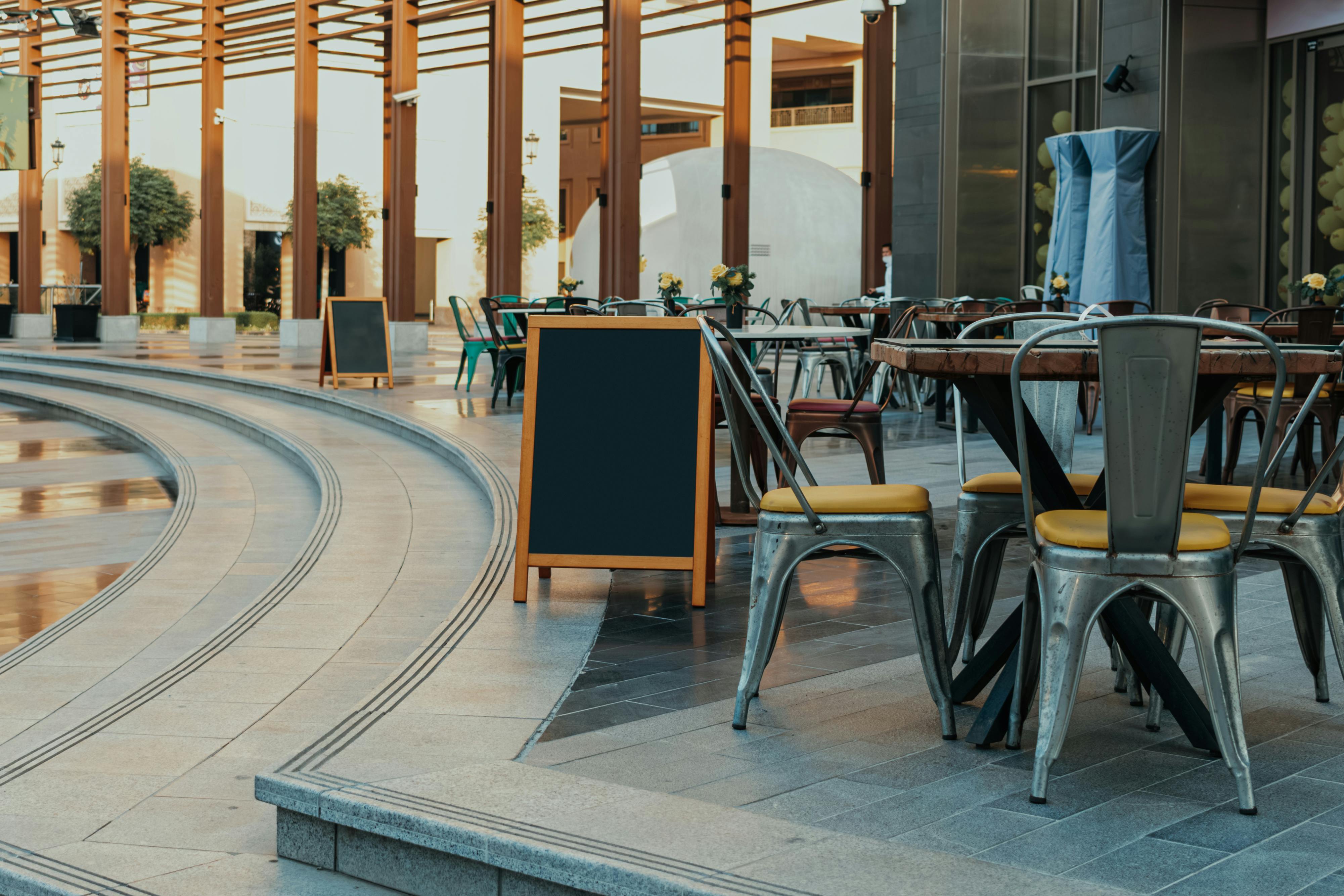
Restaurant Signage
Exterior signage can be subject to separate approval requirements. Confirm the permitted size, location and design before commissioning permanent signs.
Alcohol Service
A restaurant intending to serve alcohol enters a separate regulated area and should confirm the applicable licensing, premises and operating requirements before building the concept around alcohol sales.
Entertainment and Events
Live entertainment, events or other activities beyond normal restaurant operations can create additional permit requirements. They should be considered separately from the core food-establishment licence.
Specialist Cooking or Production
Charcoal cooking, specialist ovens, large-scale bakery production, catering production or similar concepts can create additional technical and safety considerations. Explain these processes accurately during the design and approval stage.
What Does It Cost to Open a Restaurant in Dubai?
There is no reliable single price for opening a restaurant in Dubai. Two businesses with similar menus can have very different budgets because of the site, size, landlord conditions, fit-out standard, kitchen equipment, extraction works, staffing and approval requirements.
Instead of budgeting only for a headline licence fee, separate the project into the following cost groups.
Company and licensing
Business registration, trade-name and licence costs, company documentation and any activity-specific approvals.
Premises
Rent, deposit, tenancy documentation, landlord requirements, utility deposits and other occupancy costs.
Design and approvals
Restaurant layout, kitchen drawings, professional design work and technical approval requirements.
Fit-out
Construction, flooring, walls, plumbing, electrical work, drainage, extraction, fresh air and other building works.
Kitchen and restaurant equipment
Cooking appliances, refrigeration, washing equipment, stainless fabrication, storage, furniture, POS systems and small equipment.
Staffing and visas
Recruitment, immigration and employment-related costs, staff accommodation or transport where relevant, uniforms and training.
Opening inventory
Ingredients, beverages, packaging, cleaning materials and other opening stock.
Ongoing operations
Utilities, maintenance, renewals, software, marketing, insurance, delivery-platform costs and recurring compliance expenses.
Contingency
Allow room for design changes, fit-out variations, equipment changes and other issues discovered during the approval and construction process.
The trade licence is not the restaurant budget
For premises-heavy food businesses, the site, kitchen, utilities, fit-out and equipment can be far more significant than the government licence itself. Obtain a project-level budget before committing to the concept.
Common Mistakes That Delay Restaurant Openings
1. Signing the lease before checking technical suitability
A strong retail location can still create serious problems if extraction, drainage, utilities or building restrictions do not support the menu.
2. Choosing the activity based only on the brand name
The licensed activity needs to match the real food preparation and operating model, not simply what sounds best for marketing.
3. Designing the dining room before designing the food workflow
Restaurant interiors matter, but the kitchen, storage, washing, preparation and operational flow should not be squeezed into whatever area remains after the aesthetic design is finished.
4. Ordering kitchen equipment before approvals
Equipment affects power, gas, ventilation, extraction, cooling and space requirements. Large purchases made too early can become expensive mistakes if the approved design changes.
5. Understating cooking methods
If the real operation includes frying, charcoal, baking, raw-food preparation or large production volumes, those processes need to be reflected accurately in the planning stage.
6. Budgeting only for registration
Restaurant founders often focus on licence cost while underestimating premises, design, construction, kitchen, staffing and working-capital requirements.
7. Treating approval as the end of compliance
Food-safety and operating obligations continue after the doors open. Processes, staff and facilities need to remain compliant in day-to-day operation.
Restaurant Setup Checklist
Use this as a planning checklist before committing the majority of the project budget.
- Define the restaurant concept.
- Prepare the proposed menu.
- List cooking and preparation methods.
- Confirm dine-in, takeaway and delivery requirements.
- Select the appropriate business activity.
- Confirm the legal and ownership structure.
- Decide whether the location will be mainland or within a suitable free zone.
- Screen the proposed premises for technical feasibility.
- Check landlord and building restrictions.
- Reserve the trade name and progress the relevant licensing steps.
- Complete tenancy and Ejari requirements where applicable.
- Prepare the restaurant and kitchen layout.
- Coordinate food-establishment approval requirements.
- Complete any additional permits triggered by the concept.
- Carry out the approved fit-out.
- Complete inspections and final establishment requirements.
- Prepare staff, suppliers and operating procedures.
- Confirm the full opening budget and working-capital reserve.
- Complete the final operational launch plan.
Frequently Asked Questions
What licence do I need to open a restaurant in Dubai?
The exact activity depends on the restaurant concept and operating model. A mainland restaurant normally needs the appropriate Dubai business licence together with the relevant food-establishment and premises approvals. Do not choose the activity solely from the commercial name of the restaurant.
Which authority issues a mainland restaurant business licence in Dubai?
Standard Dubai mainland business licensing is managed through the Dubai Department of Economy and Tourism. Food establishments also need to meet the applicable Dubai Municipality food and premises requirements.
Do I need a local sponsor to open a restaurant in Dubai?
Do not assume a local sponsor is automatically required. Dubai permits 100% foreign ownership for many mainland business activities. The ownership position should still be checked against the specific activity and legal structure selected for the restaurant.
Can I open a restaurant in a free zone?
A restaurant can operate within a suitable free-zone framework where the zone permits the activity and the premises satisfy its requirements. A free-zone company should not automatically be assumed to authorise a restaurant located elsewhere in Dubai. Confirm the proposed operating location before choosing the company structure.
How much does a restaurant licence cost in Dubai?
There is no useful universal figure because the licence is only one part of the restaurant project. Activity, legal structure, premises, approvals, visas and other requirements affect the business-setup cost, while fit-out and equipment can represent much larger parts of the overall opening budget.
How long does it take to open a restaurant in Dubai?
There is no fixed timeline that applies to every restaurant. A straightforward project in a suitable premises can progress very differently from a complex restaurant requiring major construction, specialist cooking equipment or multiple approvals. The premises and fit-out often determine the practical opening timeline.
Does Dubai Municipality need to approve the restaurant layout?
Food-establishment licensing includes Dubai Municipality requirements relating to the establishment and design layout. The layout should therefore be planned around the real menu, kitchen and operating workflow before construction proceeds.
Can I rent any retail unit and convert it into a restaurant?
No. A unit needs to be suitable for the intended food activity and building conditions. Ventilation, extraction, drainage, power, storage, waste access, landlord restrictions and permitted use can all affect whether the concept is workable.
What is the difference between a restaurant and cafeteria setup?
The difference is not simply the sign above the door. Menu, food preparation, equipment and the way the establishment operates can affect the applicable activity and premises requirements. Confirm the intended operation before selecting the licence category.
Can I change my restaurant menu after opening?
Normal menu development is part of operating a restaurant, but a change that materially alters cooking processes, equipment, production or the licensed activity may need to be reviewed against the existing approvals before implementation.
Final Takeaway
Starting a restaurant business in Dubai is best approached as one connected project rather than a licence application followed by a separate fit-out. The activity, restaurant concept, menu, premises, kitchen design, approvals and opening budget influence one another.
Define the operating model first, check the premises before committing heavily, obtain the relevant approvals before irreversible construction, and budget for the complete restaurant rather than only the trade licence.
First Elite Global can help assess the appropriate business setup route, licensing requirements, premises considerations and approval sequence before you move deeper into the restaurant project.
