
Dubai is one of the fastest places in the region to go from “idea” to “trading legally” — but only if you choose the right licence path from day one. The rules are not complicated, yet many e-commerce founders lose weeks (and money) by picking the wrong jurisdiction, selecting the wrong activity, or building a store before they are properly licensed.
This guide breaks down what actually matters for an ecommerce business setup in Dubai: which licence you need, how the process works, what documents to prepare, what costs drive your final quote, and what to sort before you take your first order.
If you want a done-for-you launch plan tailored to your nationality, products, and growth goals, book a free consultation with First Elite Global and we’ll map the cleanest route to your trade licence, visa, and banking.
What “e-commerce licence” means in Dubai (and what it doesn’t)
In Dubai, “e-commerce licence” usually means a commercial trade licence that includes e-commerce / online selling activities (the exact activity name depends on the authority and jurisdiction). It is not a separate universal licence across the UAE — it’s a licensing route based on:
- Where you register (mainland or free zone)
- What you sell (products, services, digital goods, marketplace model)
- How you fulfil (import, local stock, dropshipping, third-party fulfilment)
- Whether you need visas (for you, partners, staff)
The 3 most common e-commerce routes
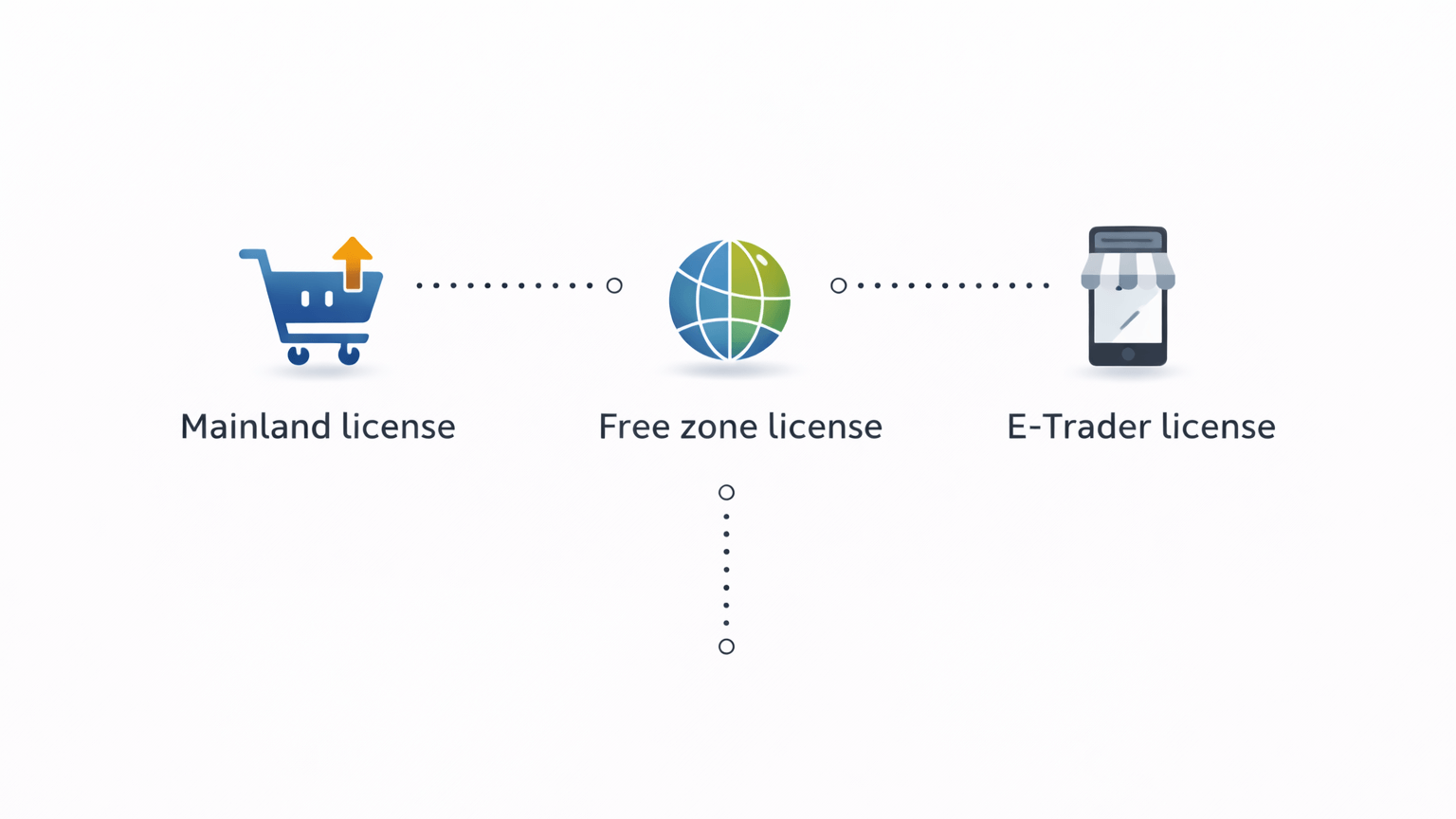
- Dubai mainland e-commerce trade licence
Best when you want broad access to customers across the UAE and you plan to scale with staff, local suppliers, and physical logistics. - Free zone e-commerce licence
Best for export-led brands, online services, cross-border trading, and founders who want fast setup packages with flexible facilities and visa options. - Dubai E-Trader licence (individual / micro online selling)
Best for solo, home-based sellers using social media or a simple online presence, where you do not need staff visas or a larger operational footprint.
Start here: choose the right setup based on your business model
Most “how to start ecommerce business in Dubai” guides miss the key point: your business model decides your best licence — not the other way round.
A practical decision guide
| Your plan | Best-fit setup route |
| Sell to UAE customers at scale, hire staff, hold stock | Mainland trade licence (e-commerce activity) |
| Run cross-border e-commerce, import/export, global fulfilment | Free zone e-commerce licence (often with logistics-friendly options) |
| Dropshipping without local stock, testing a niche | Usually free zone (low overhead packages) or mainland if UAE-focused |
| Sell via Instagram/TikTok as a solo founder | E-Trader (where eligible) or a cost-efficient free zone package |
| Build a marketplace (multi-vendor platform) | Mainland or specialist free zone, with tighter compliance and contracts |
| Sell regulated goods (food, cosmetics, supplements, medical items) | Expect extra approvals and stricter product compliance whichever route you choose |
Rule of thumb: if you want to trade widely across the UAE and build a team, mainland is usually the cleanest long-term route. If you want speed, packaging, and flexibility with a strong international angle, a free zone structure often fits better.
Mainland vs free zone: the differences that actually affect e-commerce
Mainland: when it makes sense
Choose mainland when:
- Your target market is primarily UAE customers
- You want maximum flexibility to trade across the UAE
- You plan to work with local suppliers, retail partners, or service providers at scale
- You want a structure that banks often understand quickly for UAE trading operations
Mainland setup is often the best choice for e-commerce brands building serious UAE revenue, especially once you move beyond “side hustle” volume.
Free zone: when it makes sense
Choose a free zone when:
- You want fast, packaged setup options
- You prefer flexible facility solutions (especially early-stage)
- You are building cross-border e-commerce, export-led trading, or online services
- You want a structure that can scale into visas and operational upgrades over time
A free zone can be ideal for modern e-commerce founders who need a clean start and predictable setup mechanics.
Step-by-step: how to register an e-commerce business in Dubai
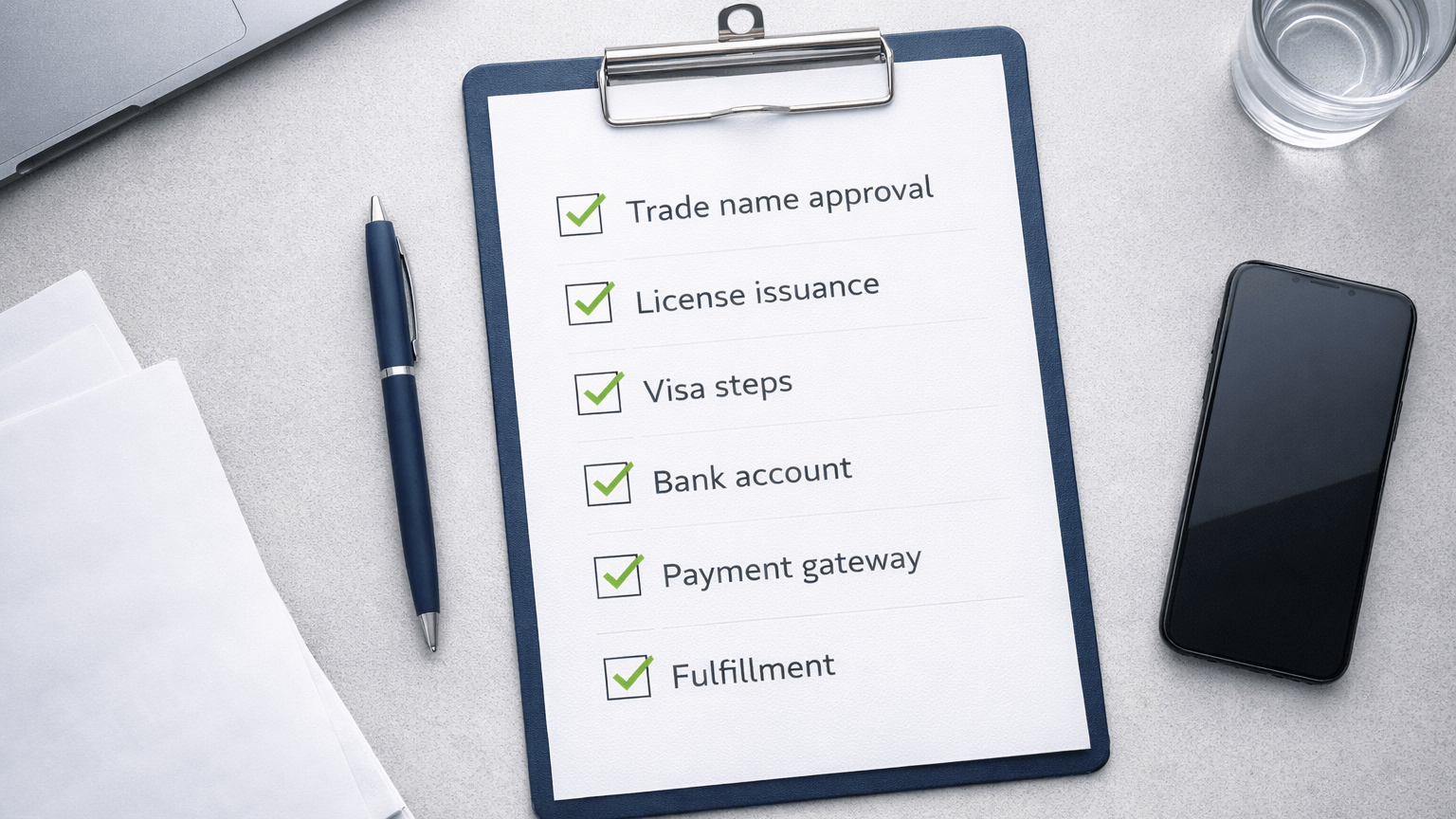
Below is the practical workflow we use to keep clients moving quickly while avoiding the most common rework.
Step 1: Confirm your e-commerce activity (and avoid the wrong activity codes)
Before you do anything else, define:
- What you sell (physical, digital, services)
- Where customers are (UAE, GCC, global)
- Where fulfilment happens (UAE stock, overseas dropship, 3PL warehouse)
- Whether you need import/export permissions
- Whether you need staff visas now or later
This step protects you from licensing mismatches that cause bank delays, marketplace onboarding issues, or blocked approvals.
Step 2: Choose jurisdiction and legal structure
You’ll choose:
- Mainland or free zone
- Company structure (single shareholder, multiple shareholders, corporate shareholder, etc.)
- Whether you want visa allocations now or later
Step 3: Reserve trade name and get initial approval
This is where many founders waste time by choosing names that conflict with naming rules or reserved terms. Do it early, do it right, and you avoid “rename” delays later.
Step 4: Submit documents and receive your licence
The typical document set includes:
- Passport copy (shareholders / manager)
- Photo (often passport-style)
- Entry status / visa status (where required)
- Contact details and address
- Business activity selection
Some models require extra documentation:
- Corporate shareholder documents
- NOCs (where applicable)
- Product-related approvals for regulated goods
Step 5: Establishment card, immigration file, and visas (if you need them)
If you plan to live in the UAE or sponsor staff, your setup may include:
- Immigration file
- Entry permit
- Medical test and Emirates ID process
- Visa stamping (where applicable)
Step 6: Corporate bank account + payment gateway readiness
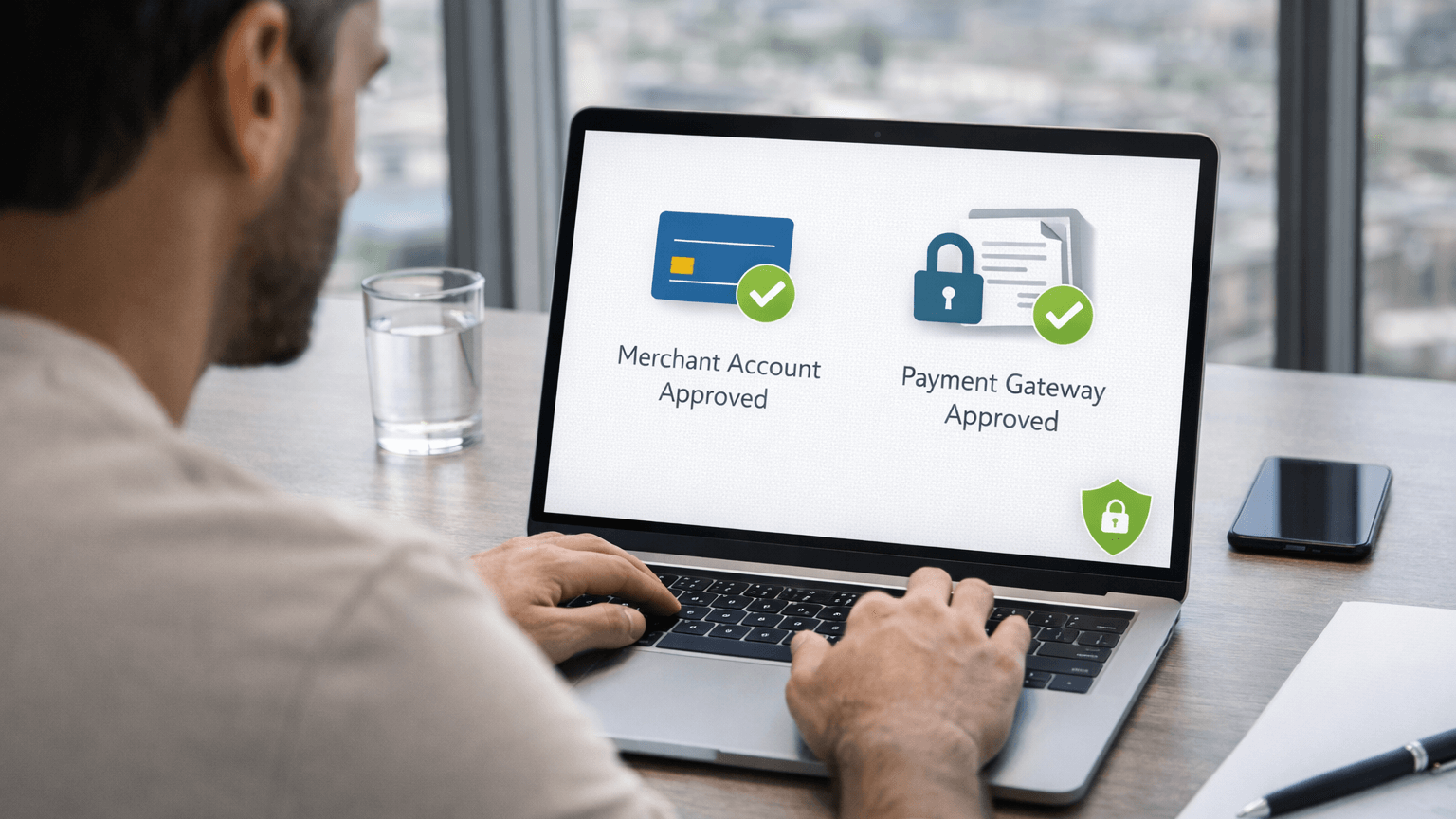
For e-commerce, banking is not “an afterthought”. You’ll be assessed on:
- Licence activity match
- Shareholder profile
- Source of funds
- Website readiness (sometimes)
- Contracts, invoices, or supplier details (often for trading models)
If you want smoother approvals, build your banking pack early — not after you are already trying to take payments.
Step 7: Launch your store and operational compliance (the part most people ignore)
Before you scale traffic, make sure you have:
- Clear Terms & Conditions
- Privacy policy aligned to UAE requirements
- Returns and refunds policy appropriate for online selling
- Customer support and dispute handling process
- Product compliance basics (especially if importing)
This is where serious e-commerce brands separate themselves from “informal sellers”.
What does ecommerce business setup in Dubai cost?
There is no single fixed price because your total cost depends on the choices you make. Your biggest cost drivers are:
- Mainland vs free zone
- Number of activities included on the licence
- Visa quota (none vs 1 vs multiple visas)
- Facility requirement (virtual / flexi solutions vs dedicated space)
- Regulated goods approvals (if applicable)
- Whether you need import/export capability
- Banking complexity (profile, nationality, business model)
A realistic way to think about costs
Instead of chasing “the cheapest e-commerce licence”, focus on the lowest-cost setup that still supports your business model for the next 12–18 months. The wrong low-cost choice often becomes expensive when you need to restructure, add approvals, or fix activity mismatches.
If you want a clear, tailored estimate, request a free consultation and we’ll provide a structured proposal based on your exact plan.
Timeline: how long does it take?
The licence can be fast — the full operational setup takes longer.
Typical timeline components:
- Trade name + initial approval: often quick once decisions are final
- Licence issuance: can be fast depending on route and documents
- Visa processing (if needed): depends on steps and scheduling
- Banking: commonly the longest step due to compliance checks
- Payment gateway onboarding: varies by platform and business model
Best practice: plan your launch around a realistic “licence + banking + payments” timeline, not just licence issuance.
The most common mistakes when starting an e-commerce business in Dubai
1) Picking a licence based only on price
Cheap is great — until your activity doesn’t match what you do, your bank declines, or a marketplace onboarding fails.
2) Choosing a generic activity that blocks growth later
Many e-commerce founders select broad activities that seem “close enough”. Later they discover:
- they can’t import properly,
- they can’t open the right accounts,
- they can’t add the partners or visas they need.
3) Underestimating banking compliance
Banks want clarity, not hype. If your model is dropshipping, say so and explain fulfilment. If you import, show supplier info. If you sell digital services, show contracts and delivery workflow.
4) Selling regulated goods without approvals
Food, cosmetics, supplements, medical or children-related items can trigger stricter compliance. Get the approvals mapped early, before you invest in inventory and packaging.
5) Launching without returns, privacy, and customer terms
Online selling has legal and consumer obligations. Strong policies protect you, reduce disputes, and improve trust and conversion.
E-commerce compliance basics you should not skip
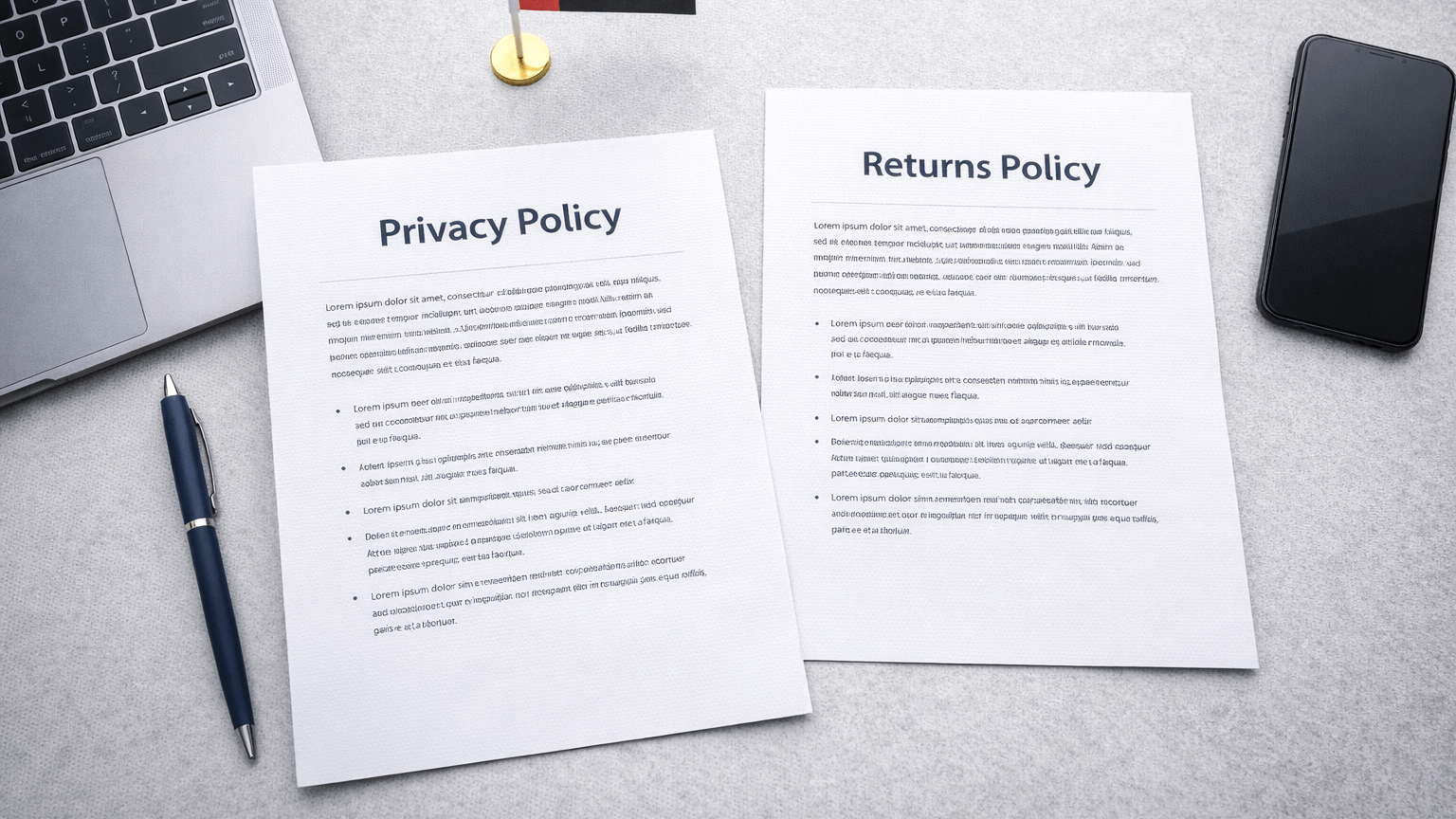
You don’t need a law degree, but you do need a compliant baseline.
Data and privacy
If you collect customer data (name, email, address, phone, payment identifiers), you need:
- A clear privacy policy
- Secure handling and access controls
- Practical retention rules (don’t keep data forever “just because”)
Consumer protection
Online selling should have:
- Clear product descriptions and pricing
- Transparent delivery terms
- Returns and refunds rules that customers can understand
- A dispute handling process
Tax and reporting awareness
Depending on your revenue and activities, you may need:
- VAT registration and filings
- Corporate tax registration and reporting
- Proper bookkeeping and invoices
If you’re early-stage, you can keep it simple — but keep it correct.
Quick launch checklist for e-commerce founders
Use this as your “no surprises” list:
- Decide: mainland or free zone
- Confirm e-commerce activity + any regulated product approvals
- Reserve trade name
- Prepare shareholder documents
- Plan visas (now vs later)
- Build your banking pack (source of funds, supplier plan, website plan)
- Confirm fulfilment: dropship vs stock vs 3PL
- Prepare policies: privacy, returns, T&Cs
- Set up payments and delivery operations
- Launch and scale marketing only after the foundations are clean
If you want this checklist turned into a personalised launch plan, book a free consultation with First Elite Global and we’ll map the fastest compliant route for your specific business.
How First Elite Global helps you set up and launch properly
You can set up alone — but most founders come to us after they have lost time in portals, conflicting guidance, or mismatched activities.
With First Elite Global, you get:
- Clear recommendations on the best-fit licence route for your model
- End-to-end handling of trade name, approvals, and licence issuance
- Visa support where required
- Banking readiness guidance (so you don’t stall after licensing)
- Practical compliance guidance for online trading operations
“First Elite Global made setting up in Dubai surprisingly straightforward. They handled the paperwork, dealt with the free zone and bank, and kept us informed at every step.”
Ready to move from research to action? Book a free consultation and we’ll share a clear, tailored roadmap to get your e-commerce business operating legally in Dubai.
FAQ Section
1) Do I need a licence to sell online in Dubai?
Yes. If you sell products or services online (including through social media), you generally need the appropriate Dubai trade licence route for your activity and business model.
2) What is the best licence for ecommerce business setup Dubai if I want to sell to UAE customers?
If your goal is broad UAE market access and you plan to scale, a mainland trade licence with the correct e-commerce activities is often the most flexible route. The best choice depends on your products, fulfilment, and visa needs.
3) How to start ecommerce business in Dubai with low overheads?
Low-overhead routes often include specific free zone packages or eligible individual online-selling options. The key is making sure the low-cost option still matches your activity and won’t block banking, payments, or scaling.
4) How to register ecommerce business in Dubai if I’m outside the UAE?
Many setups can be handled remotely depending on your route and documents. The process usually involves choosing the jurisdiction, reserving the trade name, submitting shareholder documents, issuing the licence, then planning visas and banking if required.
5) Can I run an ecommerce business from home in Dubai?
Some licence routes are designed for solo, home-based online selling models. However, if you need staff visas, warehousing, or larger-scale trading, you’ll usually need a full company trade licence.
6) How long does ecommerce business setup in Dubai take?
Licence issuance can be fast once your decisions and documents are ready. Visas and bank account opening typically add more time, so plan your launch around the full operational timeline.
Helpful Links
- UAE Government portal: eCommerce overview
- Dubai Department of Economy and Tourism: licenses and permits
- Invest in Dubai: request to issue a trade licence
- Federal Tax Authority: VAT registration rules and threshold
- Ministry of Finance: UAE Corporate Tax overview
- UAE government portal: data protection laws overview
- Ministry of Economy: establishing companies (genral steps)
- Federal Decree-Law No. 14 of 2023 (Modern Technology-Based Trade) PDF