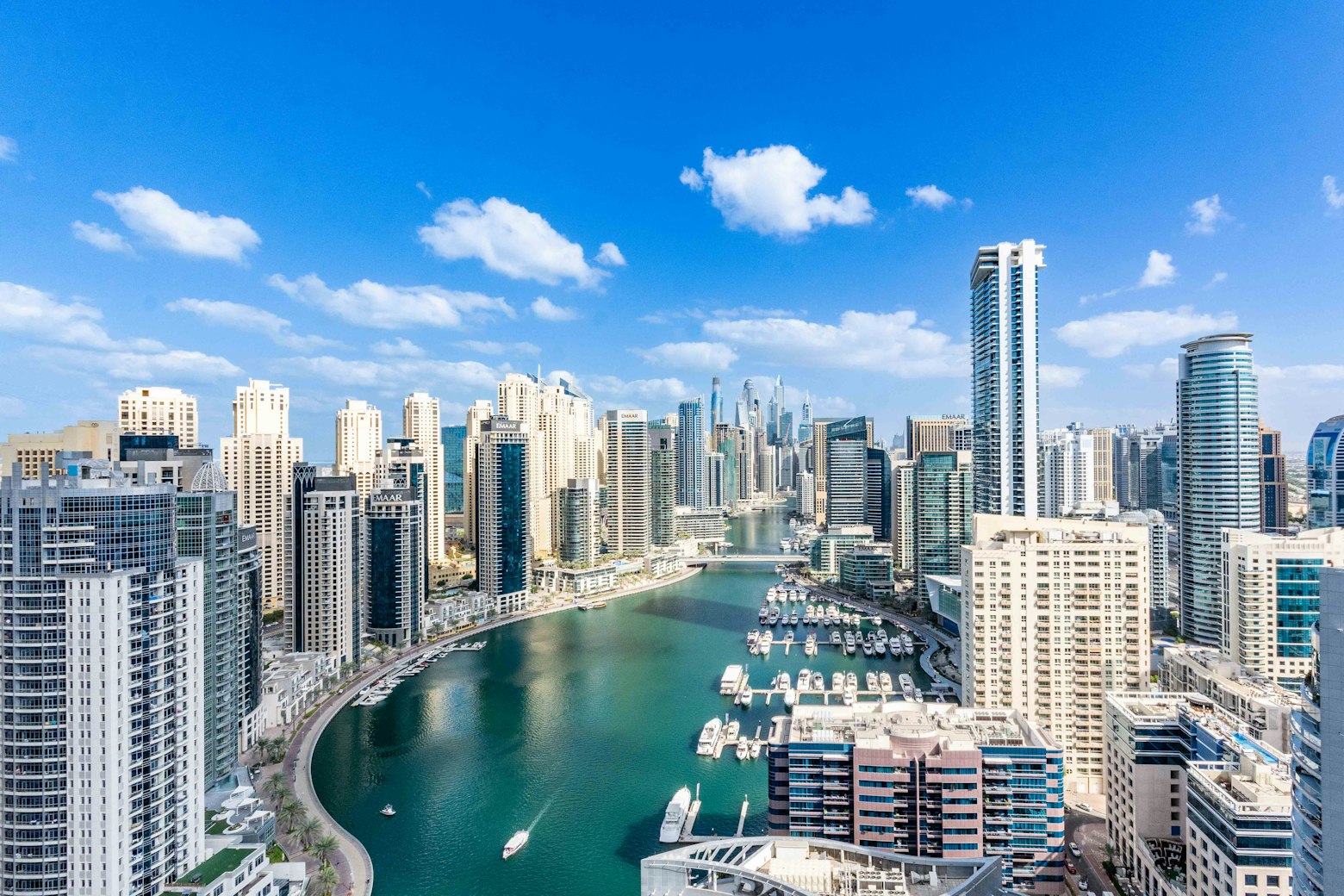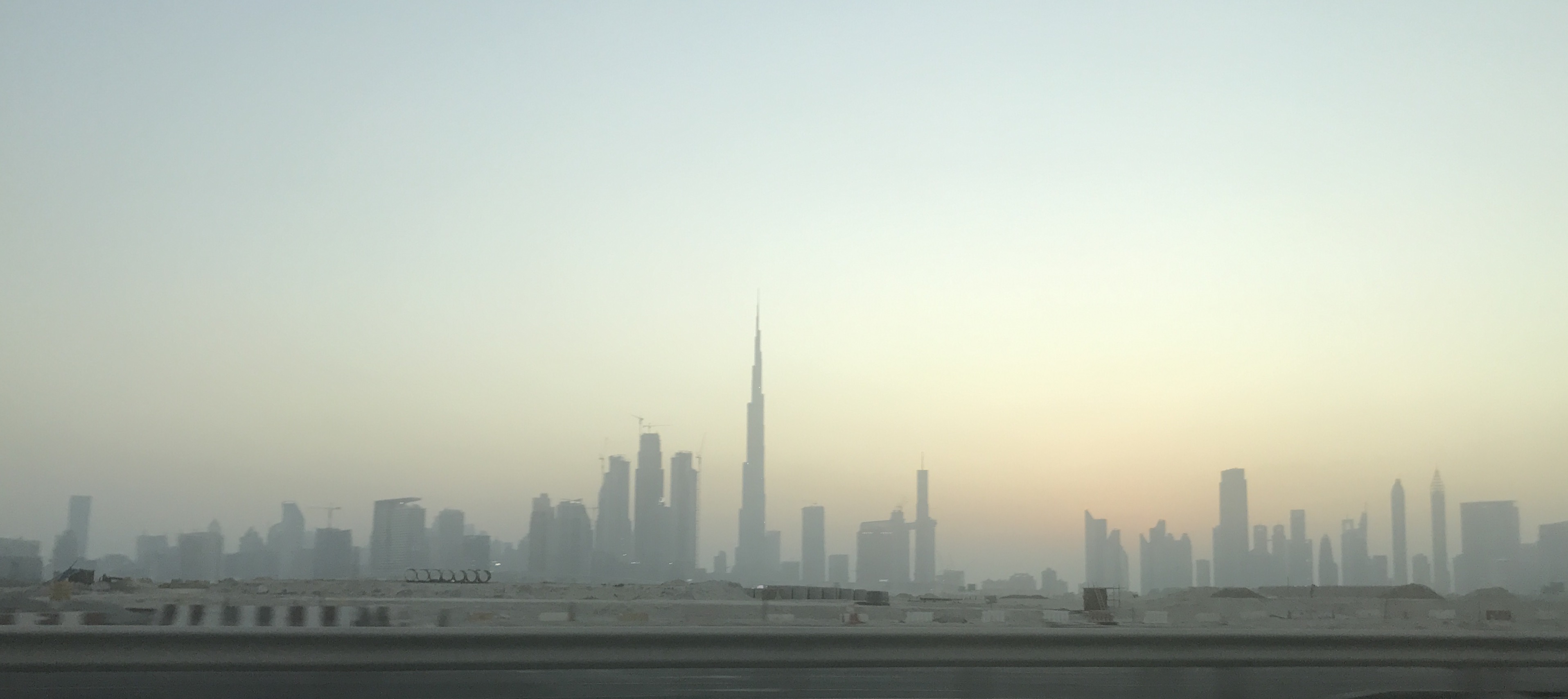
First time in Dubai? Check your passport and entry requirements, confirm whether your flight lands at Dubai International Airport (DXB) or Al Maktoum International (DWC), and choose a hotel area before deciding how to leave the airport. Downtown suits landmark-focused trips, Dubai Marina and JBR suit waterfront stays, and the Creek districts are a good base for discovering historic Dubai.
Dubai is straightforward to explore when you group nearby attractions instead of crossing the city several times a day. The Metro works well for many main corridors, while a taxi may be more practical with luggage, children or a destination far from a station. This guide gives you a first-day checklist, an area comparison, transport choices and a simple three-day plan.
Keep this list handy before departure
- Check entry rules: confirm visa eligibility and passport validity for your nationality.
- Confirm your airport and terminal: DXB and DWC are different airports; record the terminal on your booking.
- Save your hotel address: keep it available offline, including its neighbourhood.
- Choose a transfer: compare Metro, bus or taxi based on arrival time and luggage.
- Plan payment: have a working bank card; RTA buses require a nol card with credit because cash is not accepted on board.
- Check the weather: pack for your travel month, with water and sun protection for outdoor visits.
- Keep day one light: allow time for immigration, travel, check-in and rest before sightseeing.
What should you know before visiting Dubai?
Before booking activities, find out whether you need a visa in advance or may be eligible for one on arrival. Rules depend on nationality, and the UAE Government says passports should normally be valid for at least six months from the date of entry. Consult the official UAE visa-eligibility guidance and your airline or relevant UAE authority before departure; do not assume another traveller’s entry conditions apply to you.
Also check whether any medication you intend to carry is restricted. Certain controlled medicines have extra requirements, so consult the official UAE controlled-medicines guidance and carry the prescription and other documents required for your specific medicine. Booking a holiday does not itself guarantee admission at the border.
Weather should shape your packing and daily schedule. Outdoor walks and beaches may be more comfortable in the milder months; in hotter periods, plan air-conditioned stops and avoid stacking long daytime walks. The official Dubai weather guide is a useful starting point, but check the forecast closer to your trip. A light layer can also be useful indoors where air conditioning is strong.
Arriving in Dubai: DXB versus DWC and your first day
DXB is Dubai International Airport. The Dubai Metro Red Line connects directly with Terminals 1 and 3; Terminal 2 does not have its own direct Metro station. That distinction matters when someone tells you to “just take the Metro” from the airport. If using the Metro with luggage, Dubai Airports specifies a maximum of two pieces including hand luggage; check current size rules with RTA. Check the terminal and where your hotel is relative to a station using Dubai Airports’ Metro information.
DWC, also known as Al Maktoum International, is a different airport. DWC has no direct Metro station at its passenger terminal. Dubai Airports lists the F55 bus to Expo Metro Station and N55 to Ibn Battuta bus and Metro stations; taxis are another option. These buses require a nol card with credit rather than cash. Check the latest routes and schedules on Dubai Airports’ DWC transport page before relying on a bus connection, especially after a late arrival.
Official taxis are available at airport ranks, and the published DXB airport taxi starting charge is AED 25 before distance-based charges. This is not the total price of a trip to Downtown, Marina or another district. See Dubai Airports’ taxi guidance for the current arrangement.
For a smooth first afternoon or evening, get through arrivals, reach your accommodation, collect any essentials and choose one easy nearby experience. A short promenade, meal or neighbourhood walk is usually more enjoyable than rushing across town immediately after a flight. If arriving at night, check the actual last service for your route rather than assuming trains run throughout the night.
Where should first-time visitors stay in Dubai?
There is no single neighbourhood that suits every first-time visitor. Start with the place you expect to spend the most time, then inspect the actual hotel’s distance from its nearest convenient station or taxi pickup. A hotel in the right district but far from your daily destinations can still make a short visit tiring.
| Area | Best suited to | Transport consideration | Trade-off |
|---|---|---|---|
| Downtown Dubai | Burj Khalifa, Dubai Mall and a landmark-focused stay | Red Line to Burj Khalifa/Dubai Mall, then an air-conditioned walkway to Dubai Mall; allow additional time for individual attraction entrances | Other beach and heritage districts need a separate journey |
| Dubai Marina / JBR | Waterfront walks, beach time and lively evenings | Use Metro’s Sobha Realty or DMCC stations to connect to Dubai Tram; JBR 1 and JBR 2 tram stops serve the waterfront | Trips to Old Dubai take longer than moving within the waterfront area |
| Deira / Dubai Creek | Souks, Creek outings and an introduction to older Dubai | Useful Metro and local crossing options, depending on the hotel | Not the closest base for many newer beachfront attractions |
| Bur Dubai / Al Fahidi area | Heritage streets, museums and Creek-side exploration | Check walking routes and local Metro connections | Less convenient if almost every day is planned around Marina or JBR |
For a stay of just two or three nights, convenience can matter more than the lowest advertised hotel rate. Compare the full cost and effort of getting to your planned activities, not simply the nightly hotel price. The official Dubai neighbourhood guide can help you understand the differences before narrowing down accommodation.
How do you get around Dubai without hiring a car?
Most visitors can mix public transport with occasional taxis. Dubai Metro has Red and Green lines. Red Line stops serve DXB Terminals 1 and 3 and many major visitor corridors; other destinations may require a bus, tram, walk or taxi for the final part. Downtown visitors can use the Burj Khalifa/Dubai Mall station’s air-conditioned walkway to Dubai Mall, but this does not reach every venue entrance directly. Check the full journey rather than only the nearest station on a map.
For Metro, public buses and trams, a nol card is the usual payment method; buses do not accept cash on board. A Silver card currently costs AED 25, including AED 19 of usable credit — the card purchase price is not the cost of one journey. According to the RTA’s published nol fare table, a regular Silver-card journey is currently AED 3 within one zone, AED 5 across two adjacent zones or AED 7.50 across more than two zones. These are zone-based public-transport fares, not fixed costs for a particular tourist route; card products and tariffs should be rechecked before travel. The Palm Monorail is a separate system with different ticketing.
| Option | Useful when | Payment / planning | Watch out for |
|---|---|---|---|
| Metro | Travelling along its main corridors without much luggage | nol fare depends on zones | Station-to-destination walking and last trains |
| Public bus | Connecting neighbourhoods not directly on the Metro | nol; check route on RTA | Service pattern and possible transfers |
| Taxi | Door-to-door trips, bulky luggage, mobility needs or several companions | Metered fare depends on trip and applicable charges | Traffic and total cost, not just starting charge |
| Walk / tram | Exploring compact waterfront districts where routes connect | Check tram/nol arrangements | Heat, road crossings and walking distance |
For each day’s plan, use the official RTA journey tools or a current journey planner and check accessibility if needed. The general Visit Dubai transport guide explains how the modes fit together.
How much should you budget for your first Dubai trip?
There is no useful single “daily cost of Dubai” that fits every visitor. Prices change with travel dates, accommodation, restaurant choices, attractions and how far you travel. Instead of relying on a guessed total, make a simple budget using the categories below.
| Cost | What to check before travelling |
|---|---|
| Accommodation | Actual nightly rate, taxes, room requirements and cancellation terms |
| Airport transfer | DXB or DWC arrival, chosen mode, passengers and luggage |
| Getting around | Metro/bus zones, expected taxi trips and transfer needs |
| Food and drinks | Breakfast included? Preferred restaurants and dietary requirements |
| Attractions | Which sights require timed admission or a paid ticket? |
| Connectivity and extras | Mobile data, shopping and a small contingency |
Dubai’s currency is the UAE dirham (AED), which Visit Dubai explains is pegged at approximately AED 3.67 to one US dollar. Save important bookings and payment details offline and confirm your bank’s overseas charges. Prioritise the experiences you truly want instead of paying for every attraction on a crowded itinerary.
A simple three-day Dubai itinerary for first-time visitors
This is a starter route, not an attempt to tick off every attraction. It groups nearby experiences, leaves room for breaks and can be adjusted for your arrival time and the weather. A more detailed three-day itinerary will be developed as a separate guide.
| Day | Area | What to do | Getting around |
|---|---|---|---|
| 1 | Downtown Dubai | Explore the area around Dubai Mall and Burj Khalifa; choose an evening view or relaxed dinner nearby | Use the Red Line where convenient, then check walking access to the exact venue |
| 2 | Old Dubai and the Creek | Explore Al Fahidi’s heritage streets in Bur Dubai, then consider crossing Dubai Creek by abra to Deira’s souks | Al Fahidi is on the Bur Dubai bank; consider an abra across Dubai Creek to Deira, checking the current crossing service |
| 3 | Dubai Marina and JBR | Spend time by the waterfront and beach; keep an indoor alternative for hotter weather | Red Line to Sobha Realty or DMCC, then Dubai Tram towards JBR 1 or JBR 2 and local walking; taxi if the last connection is impractical |
Book any time-specific attraction tickets only after checking official operators for opening arrangements, availability and entry conditions. Some travellers will prefer to switch Day 2 and Day 3, or dedicate a day to the desert instead. That’s fine: a comfortable plan is more valuable than a checklist completed in a rush.
Dress, etiquette and accessibility: what visitors should know
Dubai is an international city, and ordinary visitor clothing is widely accepted. Swimwear belongs at beaches, pools and waterparks rather than shops or business districts. Dressing more conservatively is appreciated at heritage locations and places of worship, and mosques may have specific requirements such as covered arms and legs. See Visit Dubai’s detailed clothing and packing guide for a current overview.
Be considerate when photographing people and cultural sites, and follow venue instructions rather than assuming the same rules apply everywhere. If you need step-free access, a wheelchair-friendly route or another form of support, check each location’s facilities individually. Public transport and airports provide accessibility information, but that does not mean every hotel entrance or onward walk is identical. Visit Dubai’s accessibility guide is a useful place to start.
The weather also matters. Carry water, protect yourself from direct sun and allow time indoors when conditions are hot. A travel plan that looks short on a map can still involve exposed pavements and long pedestrian approaches, especially around large shopping centres or landmarks.
Six common first-time Dubai mistakes to avoid
- Confusing DXB with DWC. Check the airport code and terminal before you choose a transfer.
- Booking solely on hotel price. Look at your daily travel routes and the actual distance to transport.
- Assuming every Metro station is beside the attraction. Even Downtown’s Dubai Mall Metro stop needs a connecting walkway; check the final walk, transfer or venue entrance.
- Planning every day across opposite ends of the city. Group sights by area and leave time for meals and rest.
- Assuming all transport runs late. Check the service you need on the date and at the station you will use.
- Relying on someone else’s visa, medication or fare advice. Recheck the current official guidance for your own situation.
A good first trip is rarely the one with the most stops. It is the one where the practical details have already been handled, leaving more time to enjoy the city.
Frequently asked questions about visiting Dubai for the first time
Is Dubai easy to visit without renting a car?
Yes, many first-time travellers can combine the Metro, buses, trams and taxis. Whether that is convenient depends on their hotel, mobility needs and planned attractions. Check the complete route, not just the rail map.
How do I know which airport I am flying into?
Look at the airport code on your booking: DXB means Dubai International; DWC means Al Maktoum International. Also check the terminal and official ground-transport options, because transfers are different.
Do I need a visa to visit Dubai?
It depends on your nationality and circumstances. Some travellers qualify for a visa on arrival, while others must arrange permission in advance. Check the UAE Government’s current entry guidance before you travel.
How many days are enough for a first trip?
Three days can give you an introduction to Downtown, Old Dubai and the waterfront if you group activities carefully. Add more days if you want beaches, museums, family attractions or a slower pace. There is no universal minimum for an enjoyable visit.