
Setting up a company in Dubai free zone can be one of the fastest ways to launch in the UAE—if you choose the right free zone, match your licence to what you actually do, and plan your visas and banking from day one. This guide walks you through the real free zone steps, the licence process, and visa options—plus a decision framework most “how-to” pages skip.
If you want a done-for-you setup plan (zone shortlist, licence mapping, visa plan, and a bank-ready document checklist), speak to a consultant at First Elite Global and get a personalised proposal built around your business model—not a generic package.
What a Dubai Free Zone Company Is (and Why People Choose It)
A Dubai free zone company is a business registered with a specific free zone authority. Each free zone is its own ecosystem with its own rules, permitted activities, office requirements, and visa quotas.
Common reasons founders choose a free zone:
- Full foreign ownership for most activities
- Straightforward setup steps with clear authority-led processes
- Visa pathways for founders, employees, and dependants (based on quota)
- Sector ecosystems (tech, logistics, media, commodities, e-commerce, etc.)
- Bundled facilities options (flexi-desk, shared offices, or leased units)
The key is alignment: the “best” free zone is the one that matches how you make money, where your customers are, and how you need to operate.
Free Zone vs Mainland vs Offshore: Choose the Right Route First
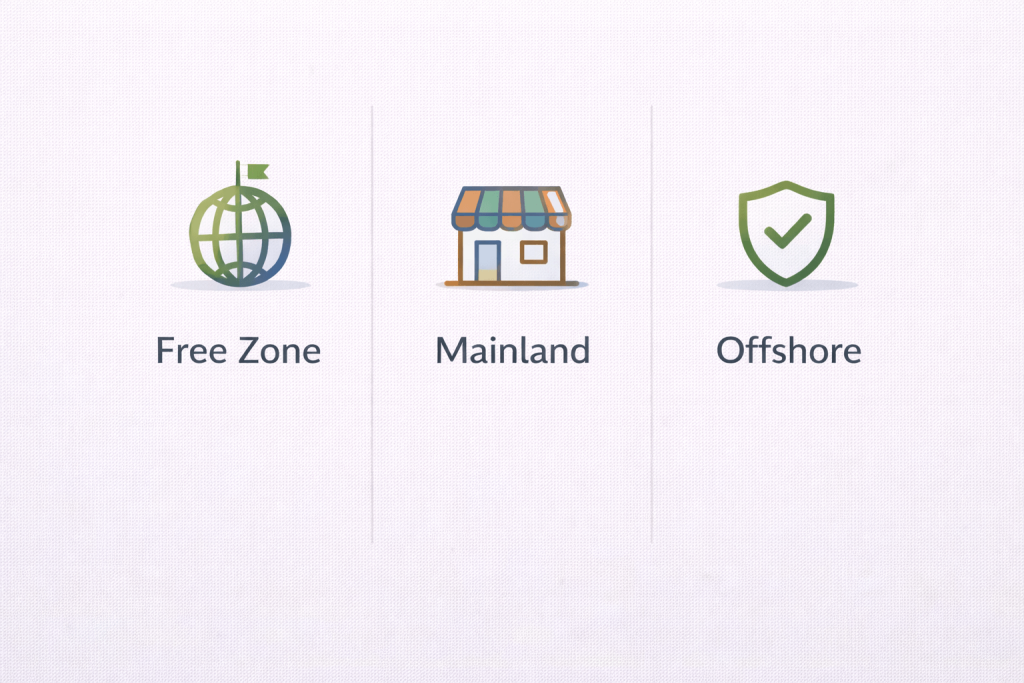
Before you do anything else, decide whether a free zone is truly the right base. Here’s a simple way to pick:
Choose a Dubai free zone if you:
- Sell services remotely (consulting, marketing, software, design, agencies)
- Trade internationally or operate through distributors
- Want a lean start with low overhead and a small visa plan
- Don’t need a storefront or heavy onshore operations immediately
Choose Dubai mainland if you:
- Need direct access to the UAE local market at scale (walk-in retail, clinics, restaurants)
- Expect lots of local contracts or government-linked work
- Need maximum flexibility for premises and hiring
Choose offshore if you:
- Need a holding structure for assets, shares, or international contracting
- Do not need UAE visas as a primary goal
A clean decision here prevents “expensive pivots” later.
The Setup Map: How Setting Up a Company in Dubai Free Zone Works
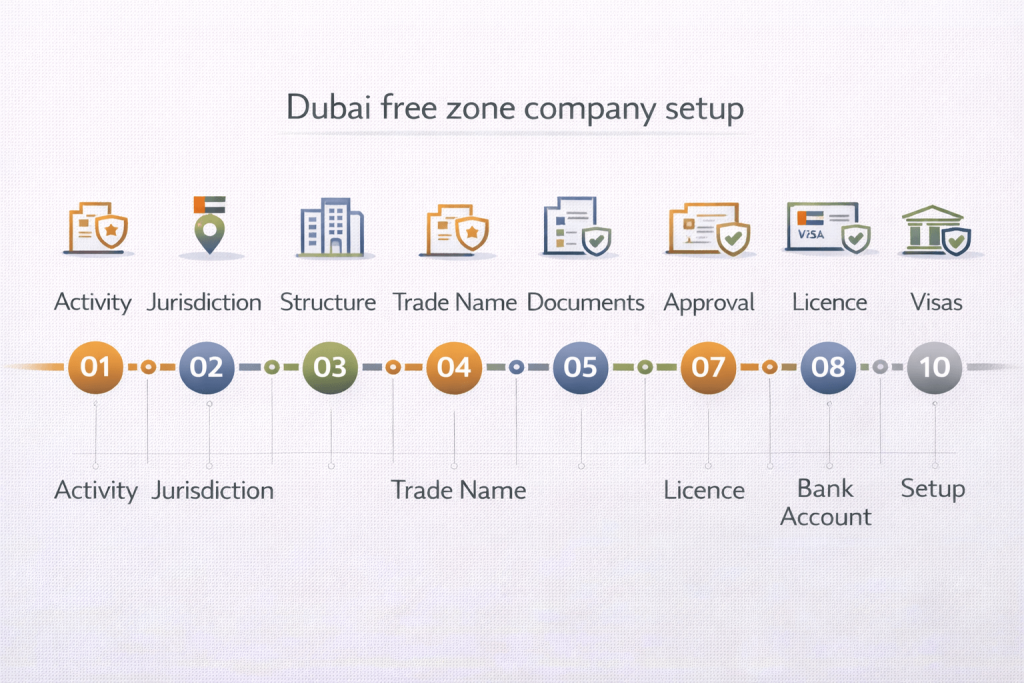
Most free zone setups follow the same backbone—even though each authority has its own forms, naming rules, activity lists, and visa allocations.
Step 1: Define your activity like a regulator (not like a founder)
Your “business idea” is not what gets approved—your activity selection does.
Do this first:
- Write a one-line description of what you sell
- List your top 3 revenue sources
- Identify whether you handle goods, services, or both
- Note if you will invoice UAE customers, overseas customers, or both
Good activity selection makes licensing smoother and banking easier later.
Step 2: Shortlist free zones using an 8-point fit check
Don’t pick a free zone because it’s trending. Use the checklist below (save it—it prevents most setup mistakes).
The Free Zone Fit Checklist
- Activity match (your exact activity must be permitted)
- Customer geography (UAE local vs regional vs global)
- Visa plan (how many now, how many later)
- Workspace requirement (flexi-desk vs dedicated office)
- Banking profile (your industry, transaction pattern, source of funds)
- Customs/logistics needs (if you import/export or store goods)
- Approval complexity (extra external approvals or not)
- Renewal reality (annual licence + office + visas—plan your year two)
Step 3: Choose your company structure
The most common structures you’ll see are:
- Single shareholder entity (often used by solo founders)
- Multi-shareholder entity (partners, co-founders, family ownership)
- Branch (if you already have an existing company elsewhere)
Your structure affects:
- Shareholding documents
- Required resolutions (especially for corporate shareholders)
- Banking due diligence
- Partner visa eligibility (where applicable)
Step 4: Reserve a compliant trade name
Trade names get rejected more often than people expect.
Avoid:
- Restricted words (industry-specific or regulated terms)
- Names that imply government affiliation
- Overly broad names that conflict with activity
- Mismatches between name and licence category
Step 5: Prepare documents the “bank-ready” way
Yes, you need documents for the authority—but prepare them as if a bank will review them next, because they will.
Typical requirements:
- Passport copies (shareholders/managers)
- Photo(s)
- Proof of address
- Basic business profile (what you do, who you serve, how you invoice)
- For corporate shareholders: incorporation documents + ownership chain
Step 6: Submit the application and obtain initial approval
This stage confirms:
- Activity and structure accepted
- Name approved
- Compliance checks cleared
- Facility selection aligned (flexi-desk/office)
Step 7: Issue your licence and incorporation documents
Once approved and paid, you typically receive:
- Trade licence
- Incorporation certificate
- Memorandum/Articles (or equivalent)
- Share certificate(s)
Step 8: Establishment/immigration file setup
If visas are part of your plan, you’ll need your immigration setup so you can:
- Apply for entry permits (where relevant)
- Process status changes and stamping
- Create employee files
Step 9: Activate visas (owner, staff, dependants)
Visa options usually fall into:
- Investor/partner-style visas (for owners/shareholders)
- Employment visas (for staff)
- Dependant visas (family)
The exact pathway depends on your chosen free zone, your licence, and your visa quota.
Step 10: Banking, invoicing, and compliance foundations
This is where many founders get stuck—not because the business can’t run, but because the structure isn’t “operationally ready.”
Your goal after licensing:
- Choose a realistic banking route based on your activity and profile
- Set up invoicing and bookkeeping from day one
- Keep your corporate records clean (contracts, invoices, source-of-funds notes)
Visa Options in Dubai Free Zones: What to Plan Before You Apply
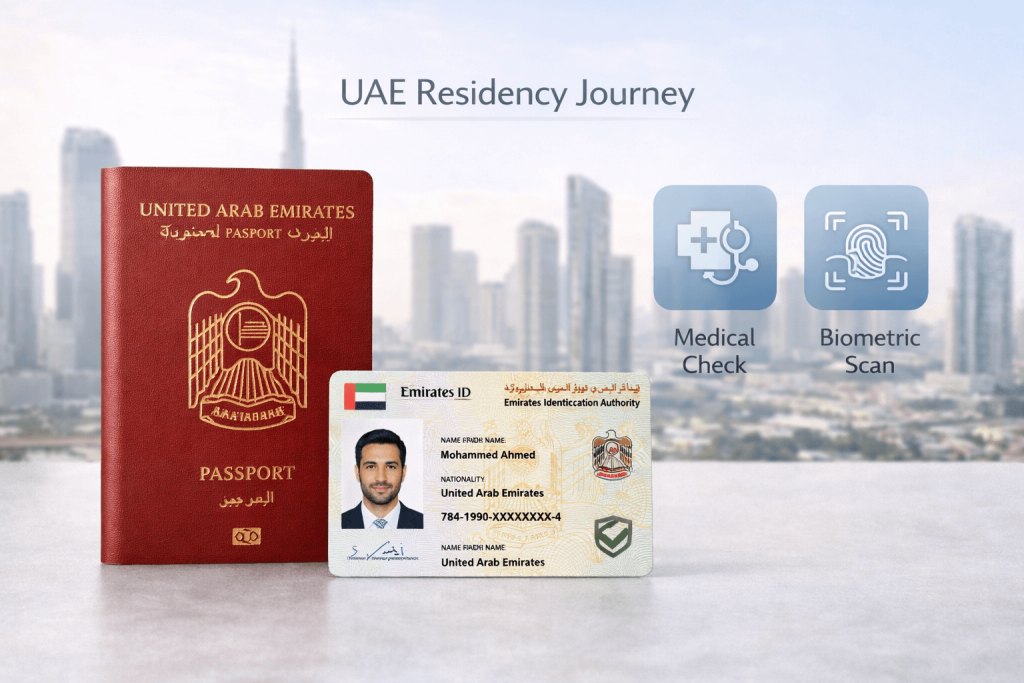
Your visa strategy should be designed before you buy a package, because your visa quota is often linked to your facility type.
A simple visa planning rule
- 0–1 visas now: start lean, control costs
- 2–5 visas soon: choose a package that won’t force a costly upgrade
- 6+ visas: plan for office needs and operational scale early
What tends to slow visa processing
- Passport issues (validity, poor scans, mismatched details)
- Medical/biometrics scheduling gaps
- Incomplete company documents or immigration file delays
- Applying for visas without a clear role plan (banks often ask later)
If your objective includes family relocation, plan for dependant eligibility and timing alongside the main visa.
The Licence Process: Getting the Activity and Category Right
Most free zone licences fall into broad categories such as:
- Service / professional
- Trading
- Industrial / manufacturing
- E-commerce / online selling (varies by authority)
The activity trap that creates problems later
Founders often choose the cheapest-looking activity list—but the activity must match:
- What you market on your website
- What you invoice clients for
- What your bank statements will show
- What contracts and suppliers will reference
A mismatch can create headaches in:
- Bank onboarding
- Payment gateways
- Marketplace approvals
- Future compliance reviews
A good setup partner will map your real-world operations to a compliant activity set—without overcomplicating your licence.
Costs and Timelines: What Actually Drives Your Budget
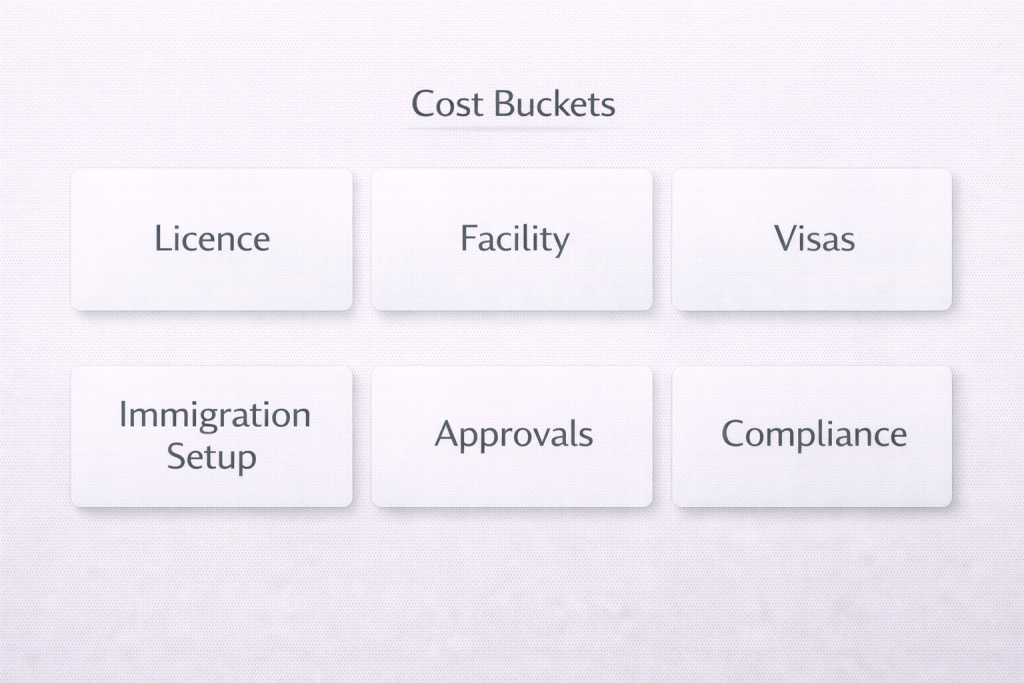
There is no single “free zone company cost” because your total depends on your choices. Instead of fixating on a headline price, break it down into cost drivers:
The 6 cost buckets you should budget for
- Registration + licence (authority fees + issuance)
- Facility (flexi-desk, shared office, dedicated office)
- Visas (per person, plus medical/ID processes)
- Immigration setup (establishment card / file setup where relevant)
- Approvals (if your activity needs extra approvals)
- Operating compliance (bookkeeping, invoicing, renewals)
Timeline reality (what to expect)
- Licence issuance can be fast for straightforward activities and clean documents.
- Visas take longer due to medical, biometrics, and stamping steps.
- Banking can be the longest runway if your profile or industry requires deeper review.
The smartest way to reduce delays is to run setup and operational readiness in parallel:
- Licence and immigration file progressing
- Bank-ready documents being assembled
- Website, invoices, and contracts prepared early
The Part Most Guides Miss: Bank-Ready Setup from Day One
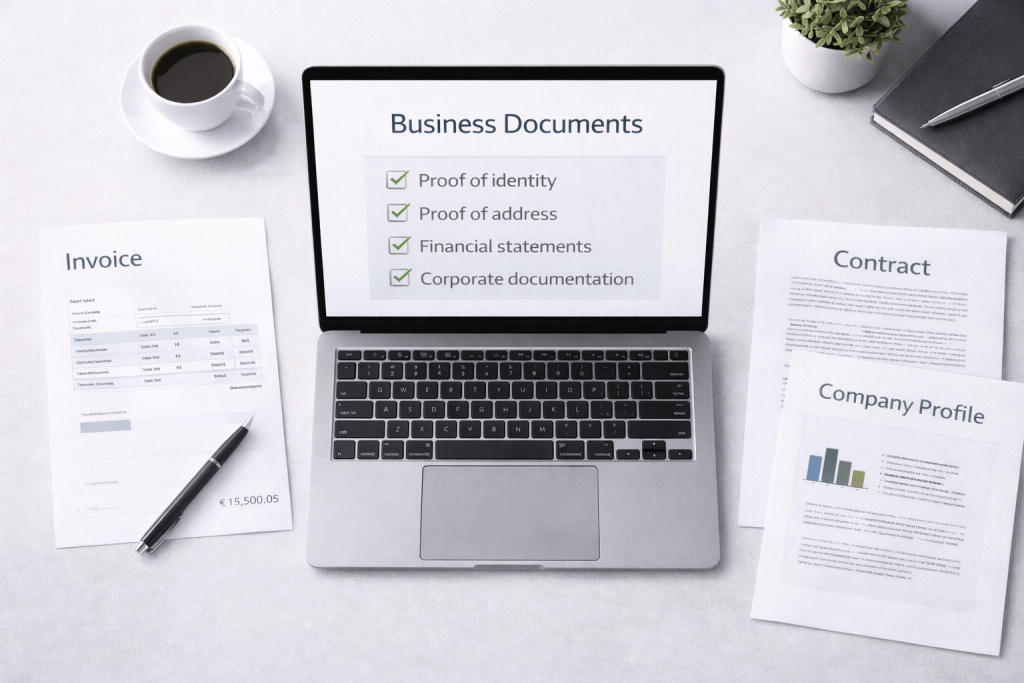
Even if your licence is approved, your ability to operate smoothly often depends on banking.
What banks tend to want to understand quickly
- Your business model (how you make money)
- Customer and supplier locations
- Expected monthly transaction pattern
- Source of funds and background
- Evidence of genuine operations (website, contracts, invoices, pipeline)
Make your free zone setup “bank-ready” with this checklist
- A simple company profile (one page)
- A services/products list aligned with your licence activity
- A basic website or landing page (even if minimal)
- Draft invoice template
- Draft contract template (or proposal template)
- CV/portfolio for founder-led professional services
- Clear ownership structure documents (especially if corporate shareholders exist)
This reduces friction and signals credibility.
If you want this done properly, First Elite Global can package your setup with a bank-ready documentation plan so you don’t reach “licence issued” and then hit an operational wall.
Tax and VAT: Plan for Compliance Without Overthinking It
Most founders don’t need a deep tax lecture—they need the practical truth:
- Your company will have compliance responsibilities in the UAE.
- Free zone entities may be eligible for beneficial treatment in certain cases, but not automatically.
- VAT treatment differs depending on what you sell, where you sell it, and how your free zone is classified for VAT purposes.
The practical approach:
- Set up clean bookkeeping from month one
- Keep invoices and contracts organised
- Understand whether you’re selling services, goods, or both
- Get a simple compliance roadmap early so you don’t scramble at year end
Common Mistakes That Cause Delays (and How to Avoid Them)
1) Choosing a free zone before confirming activity approval
Fix: confirm your activity match first, then shortlist free zones.
2) Buying a package that doesn’t fit your visa plan
Fix: design your visa strategy (now + 12 months) before selecting workspace and quota.
3) Licence activity doesn’t match real business operations
Fix: map your revenue streams to permitted activities and keep your website/invoices aligned.
4) Ignoring banking until after the licence is issued
Fix: build a bank-ready document pack during the setup process.
5) Underestimating renewals and year-two reality
Fix: budget for annual licence + facility + visas, not just the initial payment.
A Practical 30-Day Launch Plan After Your Licence Is Issued
Use this to go from “registered” to “operational” quickly:
Week 1
- Finalise banking route and documentation
- Set up bookkeeping and invoicing templates
- Confirm visa plan and timeline
Week 2
- Start visa processes (owner first, then staff)
- Prepare basic website/landing page and service pages
- Draft client contract/proposal templates
Week 3
- Open bank account or begin onboarding steps
- Set up payment gateway needs (if e-commerce)
- Secure essential tools: email domain, accounting access, CRM
Week 4
- Begin client outreach and sales pipeline
- Issue first invoices/contracts
- Document your compliance routine (monthly bookkeeping + document filing)
If you want this executed with minimal friction, you can request a free consultation with First Elite Global and get a structured launch roadmap tailored to your activity, visa goals, and budget.
Getting It Done Smoothly: How First Elite Global Supports Free Zone Setup
Setting up a company in Dubai free zone becomes easy when three things are handled properly:
- Correct free zone selection based on activity + operating plan
- Clean licensing file with the right documents and approvals
- Operational readiness (visas + banking + compliance foundations)
First Elite Global supports you end-to-end:
- Shortlisting the right free zone for your activity and budget
- Managing the licence process and documentation
- Coordinating visa options for owners, staff, and family
- Supporting corporate banking preparation so you can operate confidently
If you’re ready to move, the fastest next step is to request a personalised setup plan and get a clear, itemised proposal.
Frequently Asked Questions
1. How long does setting up a company in Dubai free zone take?
For straightforward activities with clean documents, the licence can be issued quickly. Visas and banking usually take longer because they involve additional steps like medical processes, biometrics, and compliance reviews.
2. Do I need a local sponsor to set up a company in a Dubai free zone?
In most cases, no. Free zones are commonly used by foreign founders who want full ownership, subject to the rules of the specific free zone and activity.
3. What visa options do I get with a Dubai free zone company?
Visa options typically include an owner/investor-style visa (where applicable), employee visas for staff, and dependant visas for eligible family members. Your visa quota usually depends on your package and workspace type.
4. Can a Dubai free zone company sell to customers in mainland Dubai?
It depends on your activity and operating model. Some businesses operate via distributors, branches, or specific permissions. If mainland access is central to your model, it may be better to structure differently from the start.
5. What’s the most important step in the free zone licence process?
Selecting the correct licensed activity. It affects approval, renewal, banking, and whether your invoices and website align with what you’re authorised to do.
6. Is setting up a company in Dubai free zone good for e-commerce?
Often yes—especially for online selling, digital products, or cross-border operations. The best fit depends on whether you hold inventory, import goods, use fulfilment, and how many visas you need.